
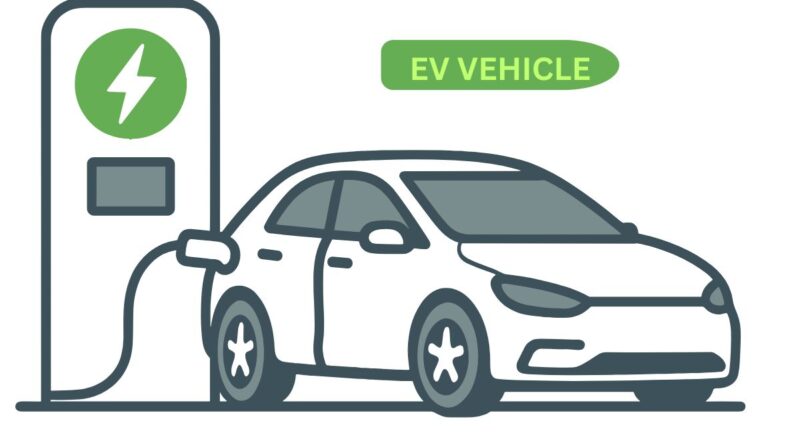
Electric Cars
Electric vehicles are no longer merely a concept of the future—they are emerging as a significant reality that is transforming the worldwide automotive sector. Due to escalating fuel costs, growing environmental issues, and swift technological progress, electric vehicles (EVs) are experiencing substantial popularity, particularly in nations such as India.
In this comprehensive guide, you will discover all there is to know about electric cars—their operational mechanisms, various types, advantages, challenges, purchasing advice, and the reasons they are regarded as the future of transportation.
Introduction to Electric Vehicles
An electric vehicle (EV) operates on electricity rather than petrol or diesel. It is equipped with an electric motor that is powered by a rechargeable battery. In contrast to conventional internal combustion engine (ICE) vehicles, electric cars generate no exhaust emissions, rendering them environmentally friendly.
Prominent manufacturers such as Tesla, Tata Motors, and Hyundai are making significant investments in electric vehicle technology and broadening their range of EV offerings.
How Electric Vehicles Function
Electric vehicles utilize a straightforward but remarkably efficient system. Rather than combusting fuel, they accumulate electrical energy in a battery and transform it into movement.
Key Elements of an Electric Vehicle
Battery Pack: Stores electrical energy (predominantly lithium-ion batteries)
Electric Motor: Transforms electrical energy into mechanical energy
Inverter: Changes DC power into AC power for the motor
Controller: Regulates speed and torque
Charging Port: Links the vehicle to a power supply
Working Procedure
Electricity is accumulated in the battery.
Upon pressing the accelerator, the controller transmits power to the motor.
The motor then turns the wheels.
Regenerative braking assists in recharging the battery during deceleration.
- This method enhances the efficiency of electric vehicles compared to conventional cars.
Categories of Electric Vehicles
Electric vehicles are classified according to their utilization of electricity and fuel.
1. Battery Electric Vehicles (BEVs)
These vehicles operate solely on electricity and do not possess a fuel engine.
Example: Tesla Model S
2. Hybrid Electric Vehicles (HEVs)
These vehicles utilize both petrol and electric energy but are not capable of being charged from an external source.
3. Plug-in Hybrid Electric Vehicles (PHEVs)
These vehicles are equipped with both a battery and a fuel engine and can be charged via electricity.
4. Fuel Cell Electric Vehicles (FCEVs)
These vehicles employ hydrogen fuel cells to produce electricity.
Benefits of Electric Vehicles
1. Environmentally Friendly Transportation
Electric vehicles generate no emissions, thereby decreasing air pollution and contributing to the battle against climate change.
2. Reduced Operating Costs
Charging an electric vehicle is significantly less expensive than refueling with petrol or diesel, which is a considerable benefit for those who commute daily.
3. Minimal Maintenance Requirements
Electric vehicles consist of fewer moving components:
1. No engine oil
2. No clutch or transmission
3. Reduced wear and tear
4. Smooth and Quiet Operation
Electric motors deliver immediate torque, leading to seamless acceleration and a tranquil driving experience.
5. Government Incentives
The Indian government provides incentives through programs such as FAME to promote the adoption of electric vehicles.
Pingback: Tata Sierra - Fablogpublic