
Introduction

A truck cooling fan can be an engine radiator fan to keep the motor from overheating or a cabin fan to cool the driver. Truck engines produce a lot of heat when running, especially during long-distance transit, heavy carrying, and off-road applications. The truck cooling fan is one of the most critical components for keeping the engine running at the proper temperature. Without a properly working fan, an engine might overheat, resulting in costly repairs, decreased performance, and unexpected breakdowns.
If you own a commercial vehicle, manage a transportation fleet, or simply want to understand how truck cooling systems function, this guide will teach you all you need to know about truck fans.
What is a Truck Cooling Fan
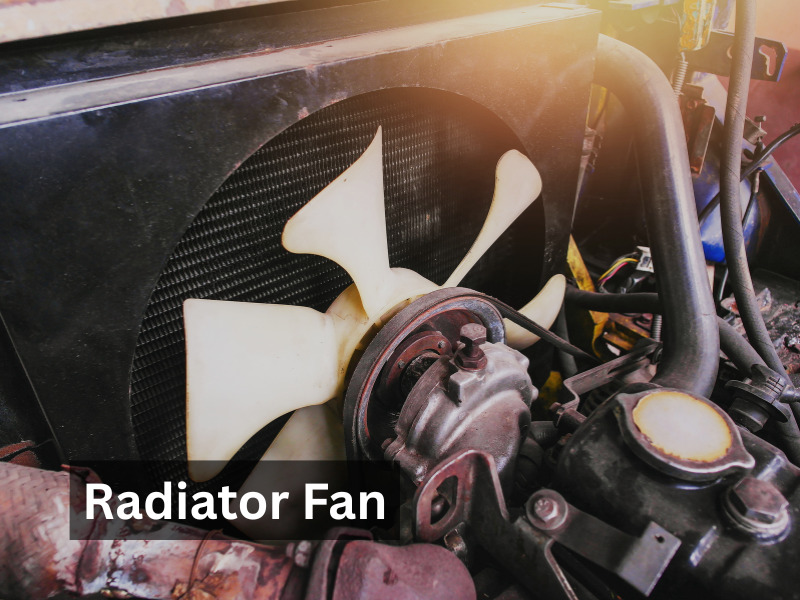
A truck cooling fan is a part of the engine’s cooling system that circulates air through the radiator. This airflow serves to remove extra heat from the engine’s coolant, allowing the engine to operate at its optimal temperature.
To avoid overheating, the cooling fan works with the radiator, water pump, thermostat, coolant, and (if needed) fan clutch.
The radiator cannot effectively cool the engine if there is insufficient airflow, particularly during slow traffic or while idling.
Why is a truck cooling fan necessary
The truck cooling fan performs numerous key functions:
- Prevents engine from overheating
- Improves engine efficiency.
- Protects engine components.
- Extends engine life.
- maintains fuel efficiency.
- Supports air conditioning performance.
- Reduces the danger of expensive repairs.
A properly working fan keeps the engine within the manufacturer’s suggested temperature range under all driving circumstances.
How Do Truck Cooling Fans Work
The cooling procedure is rather straightforward.
- The engine creates heat.
- Coolant absorbs the heat.
- The coolant moves to the radiator.
- Air going through the radiator cools the coolant.
- When there is inadequate natural airflow, the fan increases it.
- The cooled coolant returns to the engine.
Types of Truck Cooling Fans
Mechanical cooling fan
Mechanical fans are directly linked to the engine via belts.
Advantages
- Simple design.
- Extremely dependable
- Long service life.
- Suitable for high duty vehicles.
Disadvantages
- consumes engine power.
- Lower fuel efficiency.
- Can be loud.
Clutch Cooling Fan

Most current big trucks use a fan clutch.
The clutch engages only when more cooling is necessary.
Benefits
- Better fuel economy.
- Reduced engine load.
- Lower noise levels.
- Longer fan life.
Electric Cooling Fan
Electric fans are driven by electric motors rather than engine belts.
Common in:
Pickup trucks
Light Commercial Vehicles
Modern diesel vehicles.
Hybrid Commercial Vehicles
Advantages
Excellent cooling control.
Increased fuel efficiency
Lower the engine load.
Quiet operation.
Hydraulic Cooling Fan.
Hydraulic fans are frequently utilised in:
Heavy construction vehicles
Mining trucks
Large Commercial Vehicles
Specialised transportation equipment
These systems offer strong cooling for demanding applications.
Main components of a truck cooling fan system
A truck cooling system contains:
Fan blades
Fan clutch
Fan motor (for electric systems)
Radiator
Water pump
Thermostat, Coolant, Drive Belt, Temperature Sensor, and Shroud
Each component works together to keep the engine temperature stable.
Signs of a Bad Truck Cooling Fan
Drivers should look for the following typical warning signs:
Engine Overheating.
The temperature indicator goes above average.
Loud fan noise
A worn fan clutch or broken blades might cause excessive noise.
Poor air conditioning
Insufficient airflow impairs AC performance.
Coolant Temperature Warning
Dashboard warning lights may appear.
Fan doesn’t turn.
Electrical or mechanical failures may halt functioning.
Visible Blade Damage
Cracks, chips, or damaged blades limit cooling effectiveness.
Common Causes of Cooling Fan Failure
Truck enthusiasts could fail due of:
Worn fan clutch
Broken fan blades.
Damaged fan motor.
Electrical wiring difficulties.
Faulty relay.
Blown fuse.
Bad temperature sensor
Loose drive belt
Bearing failure
Regular inspections assist to detect these issues early on.
How To Inspect A Truck Cooling Fan
Routine inspections include:
Check fan blades.
Search for:
Cracks
Missing Pieces
Warping, loose mounting.
Inspect the fan clutch.
Look for:
Oil seeps.
Extreme wobble
Improper Engagement
Listen for noise.
Grinding or rattling might indicate worn bearings.
Examine Electrical Connections.
Regarding electric fans:
- Inspect the wiring.
- Check connections and relays.
- Inspect fuses.
Truck Cooling Fan Maintenance Tips
The cooling system’s lifespan is increased by proper maintenance.
Keep the radiator clean.
Remove:
Dust Mud Leaves Debris
Restricting airflow affects cooling efficiency.
When Should You Replace a Truck’s Cooling Fan
Replacement may be essential when:
- Fan blades are fractured
- Fan clutch fails.
- Motor burns out.
- Bearings get noisy.
- Fan vibrates excessively
- Cooling performance diminishes.
Ignoring these issues may result in severe engine damage.
Advantages of High-Quality Truck Cooling Fans
Installing a quality cooling fan provides:
- Improved engine cooling
- Increased dependability.
- Increased fuel efficiency
- Longer engine lifespan
- Reduced maintenance expenses.
- Reduced chance of overheating.
- Improved towing performance
Industries That Rely on Reliable Truck Cooling Fans
Truck cooling fans are vital in
- Freight Transportation
- Construction Mining Agriculture
- Oil and Gas
- Municipal services
- Heavy equipment transportation
- Long-haul logistics
Frequently Asked Questions (FAQ)
Can I drive my truck with a faulty cooling fan?
It’s not advised. A faulty fan can cause engine overheating, resulting in severe engine damage.
How long does a truck’s cooling fan last?
A well maintained cooling fan can survive for many years, although its lifespan is determined by operating circumstances, maintenance, and component quality.
What causes fan clutch failure?
Common reasons include wear and tear, bearing failure, silicone fluid leaking, and extreme heat.
Does a cooling fan increase fuel efficiency?
Yes. A properly running fan—particularly one with a fan clutch or electronic control—helps the engine run more effectively and can contribute to improved fuel efficiency.
Conclusion
A truck cooling fan is an essential component that keeps the engine from overheating and provides dependable performance under difficult operating situations. Whether your vehicle has a mechanical, clutch-driven, electric, or hydraulic fan, frequent inspection and maintenance are critical for extending engine life and reducing downtime. Investing in a high-quality cooling fan and practicing basic maintenance will help keep your truck running smoothly for years to come.
3 thoughts on “Truck Cooling Fan: Everything You Need to Know”